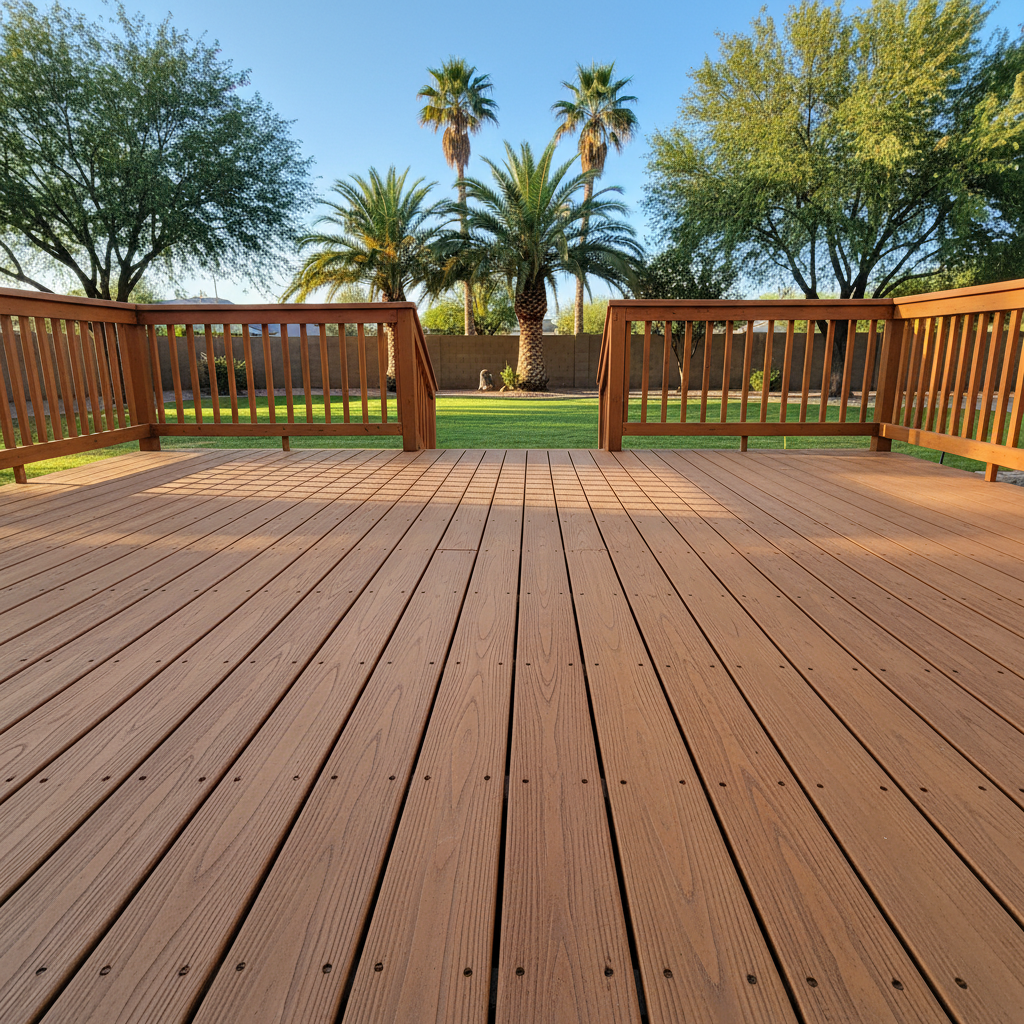
Alright, so you've got a beautiful wood deck here in Queen Creek. Maybe I even built it for you! That's awesome. But let's be real, our Arizona climate isn't exactly gentle on outdoor structures. The intense sun, the dust, the monsoon humidity followed by dry heat – it all takes a toll. If you want that deck to last and stay looking good, you can't just ignore it. It needs some love. And I'm not talking about a full re-stain every year, just some smart, regular maintenance.
Extending Your Deck's Life: The Long Game
The biggest thing you can do to make your wood deck last is to protect it from the elements. I know, sounds obvious, right? But people skip this all the time. The sun is your deck's biggest enemy out here. UV rays break down wood fibers and finishes faster than you can say 'triple-digit summer.' That's why a good quality stain or sealant is non-negotiable.
When I build a deck, I always recommend a finish that offers good UV protection. You'll want to reapply that finish every 2-3 years, sometimes sooner depending on how much direct sun your deck gets. If your deck is facing west and baking all afternoon, you might be looking at every two years. A deck under a patio cover or with some shade from a big mesquite tree might stretch to three or four. Don't wait until the finish is completely gone and the wood starts to look gray and weathered. By then, you're not just re-staining, you're doing a full restoration, and that's a much bigger job.
Another thing? Keep it clean. Dirt, dust, pollen, even bird droppings – they can all hold moisture against the wood, which is a recipe for rot, especially in areas that don't dry out quickly. Regular cleaning prevents that buildup and lets your finish do its job.
What Regular Maintenance Looks Like
This isn't rocket science, but it does take a little consistency. Here's what I tell folks:
- Sweep it regularly: Just like your patio. Get rid of leaves, dirt, and anything else that's landed on it. Especially after a dust storm, you'll want to sweep that fine silt off.
- Clean it annually: A good wash once a year is usually enough. You can use a deck cleaner specifically designed for wood, or even just a mild detergent and water. A soft-bristle brush works wonders. For stubborn grime, a pressure washer on a very low setting can work, but you've got to be careful. Too much pressure can damage the wood fibers, and then you've got a real mess on your hands. If you're not confident, just stick to the brush.
- Inspect it seasonally: I usually tell people to give their deck a good once-over in the spring before it gets too hot, and again in the fall. Look for loose screws, splintering wood, or any signs of wear on the finish.
- Trim back vegetation: If you've got plants or bushes growing up against or over your deck, trim them back. They can trap moisture and create shade that prevents the wood from drying out, leading to mold or rot.
That's it. Simple stuff that makes a huge difference. Think of it like changing the oil in your car. You don't wait until the engine seizes up, right?
Warning Signs of Problems
You don't need to be a deck builder to spot trouble. Here are some things to keep an eye out for:
- Graying or faded wood: This means your finish isn't protecting the wood anymore. It's time to reapply.
- Splintering or cracking: Small cracks are normal as wood ages, but large, deep cracks or widespread splintering can be a sign of excessive drying or moisture damage.
- Loose railings or wobbly posts: This is a safety issue. Don't ignore it. It could be loose fasteners or even rot at the base of a post.
- Soft spots or spongy areas: If you step on a board and it feels soft or gives way a little, that's a big red flag for rot. This often happens in areas that stay wet, like under planters or where water pools.
- Mold or mildew: Black, green, or white fuzzy patches usually mean too much moisture. Clean it off and figure out why that area isn't drying out.
- Pest damage: Look for small holes, sawdust-like piles (frass), or tunnels in the wood. Termites love our Queen Creek soil, and they love wood decks too.
Catching these things early can save you a lot of money and headache down the road. A small repair is always better than a full replacement.
When to Call a Professional
Look, I'm all for DIY, but there are times when you need to bring in the pros. If you see any of these, it's time to pick up the phone:
- Significant structural issues: If you've got major rot in support beams, joists, or posts, or if your deck feels unstable, that's a job for someone with experience. This isn't just about looks; it's about safety.
- Widespread rot or insect damage: A small patch of rot you can probably handle. But if it's all over the place, or you suspect a serious termite infestation, you need professional assessment and treatment.
- Complex repairs: Replacing a single deck board is one thing. Rebuilding a section of your deck or dealing with a compromised ledger board (the board that connects your deck to your house) requires specific skills and tools.
- You're just not comfortable: Hey, no shame in that. If you're unsure about a repair or don't have the time or tools, that's what we're here for.
At Done Right Decks of Queen Creek, we've seen it all. We can assess the damage, give you an honest opinion, and handle those repairs safely and correctly. Your deck is an investment and a big part of your outdoor living space. Taking care of it means you'll get to enjoy it for many years to come.