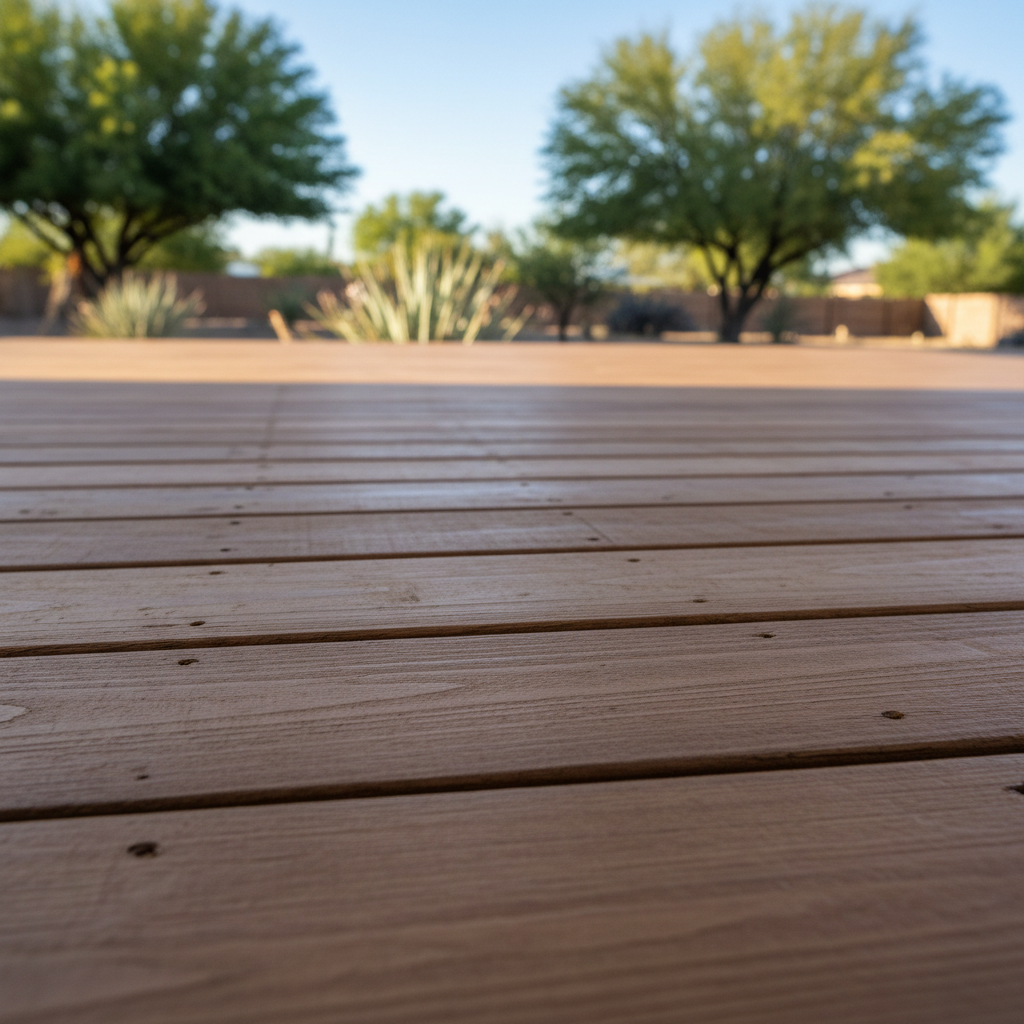
Alright, let's talk about your deck for a minute. You've got this fantastic outdoor space right here in Queen Creek, perfect for enjoying those cooler winter evenings or firing up the grill. But, after a few years of that intense Arizona sun and our occasional dust storms, your deck probably looks a little worn out. Painting or staining it isn't just about making it pretty again; it's really about protecting your investment.
I've seen countless decks over the years, and believe me, the difference between one that's been cared for and one that hasn't is night and day. This isn't a job you want to rush, but it's also not brain surgery. Here’s what you need to know to get it done right, whether you're tackling it yourself or bringing in a crew like us at Done Right Decks of Queen Creek.
Before You Even Think About Paint or Stain
Preparation is absolutely key, especially out here in the desert. You can't just slap a new coat on top of old, worn-out stuff and expect it to hold up. That's a surefire way to end up with peeling and a whole lot of frustration.
- Inspect and Repair: Take a walk around your deck and really give it a good look. Any loose boards? Popped nails? Splinters? What about rotting wood? You've got to fix these things first; there are no shortcuts here. A fresh coat of paint or stain won't magically solve structural problems; it'll just hide them for a bit, and they'll definitely show through eventually. Replace any damaged boards, drive in those loose fasteners, and fill cracks with wood filler. If you're seeing significant rot or bigger structural worries, that's absolutely the time to call in a pro.
- Clean, Clean, Clean: This step is non-negotiable. Your deck needs to be spotless. I'm not talking about a quick hose-down, but a real deep clean. Use a good deck cleaner to get rid of dirt, mildew, algae, and any old, loose finishes. A stiff brush or a pressure washer works well. If you're using a pressure washer, just be careful not to damage the wood fibers by holding the nozzle too close or cranking up the pressure too high. Always spray with the grain, okay?
- Strip Old Finishes (if needed): If your deck has paint that's peeling, or a heavily worn, opaque stain, you might need to strip the old finish completely. This is a more involved process, sometimes requiring chemical strippers. If you're facing a lot of old, stubborn paint, this might be a good moment to think about calling a professional.
- Sand It Smooth: Once your deck is clean and totally dry (and I mean *completely* dry, which can take 2-3 days, especially after a good cleaning), you'll want to sand it. Sanding smooths out rough spots, gets rid of any leftover residue, and helps the new paint or stain soak in evenly. For bigger areas, a power sander can save you a ton of time.
- Check the Weather: This is huge in Arizona, as you know. You absolutely do not want to start this project if rain is in the forecast for at least 12-24 hours after you apply the stain or paint. Also, try to avoid applying it in direct, scorching sunlight during the middle of the day. Early mornings or late afternoons are usually your best bet here in Queen Creek, when the deck boards aren't blistering hot.
- Test for Absorption: Sprinkle a little water on the wood. If it soaks in right away, you're good to go. If it beads up, the wood won't accept the finish properly, and you might need to do some more prep work.
During the Project: Application Tips
Okay, the deck's prepped and ready. Now for the fun part, right? Whether you're painting or staining, the application process has some universal truths.
- Choose the Right Product: This is absolutely critical for our climate. You need something made for exterior use with excellent UV protection. For stains, oil-based options tend to penetrate deeper and offer good durability, often lasting 2-5 years. Water-based stains are easier to clean up and dry faster. Solid stains give you the most protection and can hide imperfections, acting more like paint, but they can peel if you don't apply them correctly. Some products even boast heat-reducing technology, which is a nice bonus for our summers.
- Stir, Don't Shake: Always stir your paint or stain thoroughly before and during application to make sure the color and consistency are uniform. Shaking can create bubbles, and nobody wants that.
- Work in Sections: It's usually best to work in small, manageable sections, especially if you're staining. This helps ensure even coverage and avoids those annoying lap marks.
- Brush, Roll, or Pad: You can use a roller for large, flat surfaces, but always keep a brush handy for edges, corners, and between boards. A paint pad applicator can also give you good control. If you're using a sprayer, make sure to back-brush or back-roll to really work the product into the wood.
- Thin Coats are Key: Don't apply too much product at once. One or two thin, even coats are almost always better than one thick one. Too much stain can lead to tackiness or, you guessed it, peeling.
- Don't Rush Drying Times: Most products have specific drying times between coats and before you can actually use the deck. Cutting this short means the finish won't cure properly, leading to flaking and peeling. Give it at least 24-48 hours before walking on it or putting your furniture back.
After the Project: Maintenance Matters
You've put in all that hard work, now protect it! Our desert environment is tough on everything, and your deck is no exception.
- Regular Cleaning: Sweep your deck regularly to get rid of dirt and debris. Every few months, a gentle wash with a hose and a soft brush can help keep it looking good.
- Inspect Annually: At least once a year, give your deck a thorough inspection. Look for any signs of wear, fading, or peeling. Catching these issues early means smaller, easier touch-ups instead of a full re-do down the line.
- Reapplication Schedule: Here in Queen Creek, you'll probably need to reapply semi-transparent stain every 2-3 years, and solid stains or paints every 3-5 years. That intense sun really breaks down finishes faster here. If water stops beading on the surface, or you notice significant fading, it's time to get to it.
- Avoid Harsh Cleaners and Pressure Washing: While pressure washing is great for that initial deep clean, try to avoid using it for routine maintenance, as it can strip coatings right off.
Doing it yourself can be incredibly satisfying, and for many homeowners, cleaning and putting on a fresh coat of stain is a perfectly doable weekend project. However, if your deck needs serious repairs, extensive stripping, or you just don't have the time or the desire to tackle all that prep work, please don't hesitate to call a professional. Sometimes, knowing it's done right by someone who deals with Queen Creek's unique challenges every single day is absolutely worth it. We're always here to help if you need us.